
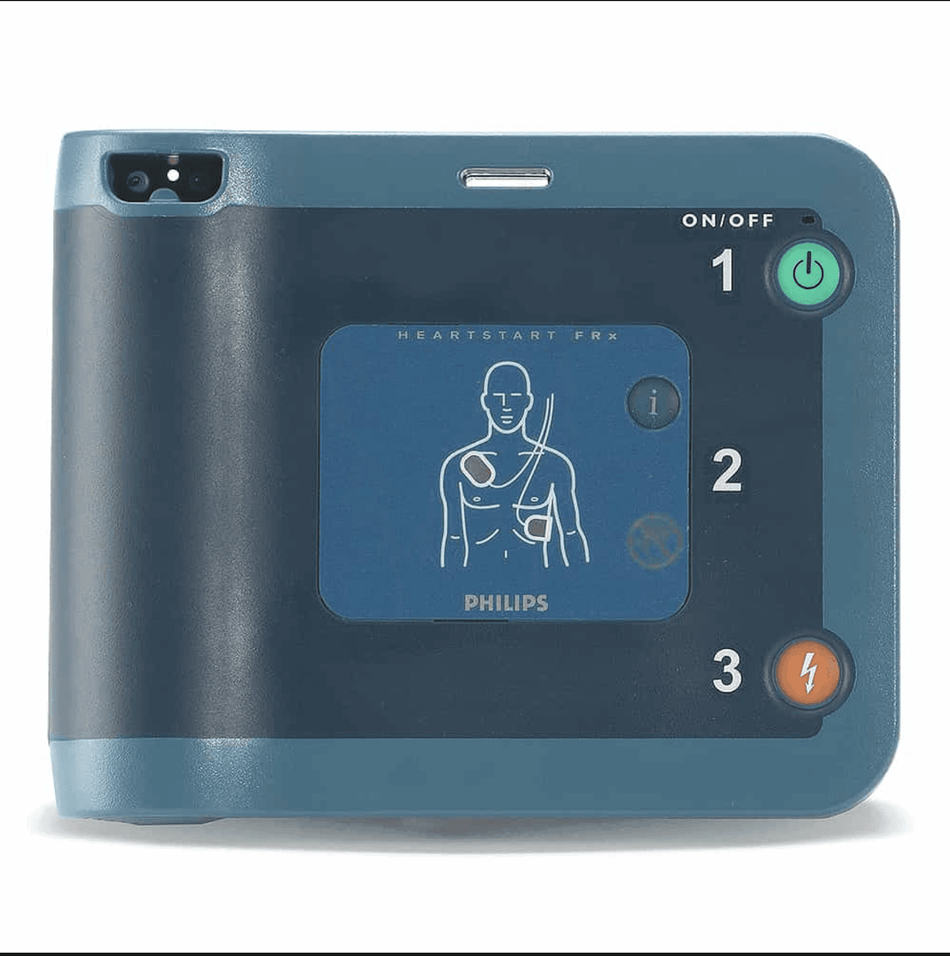

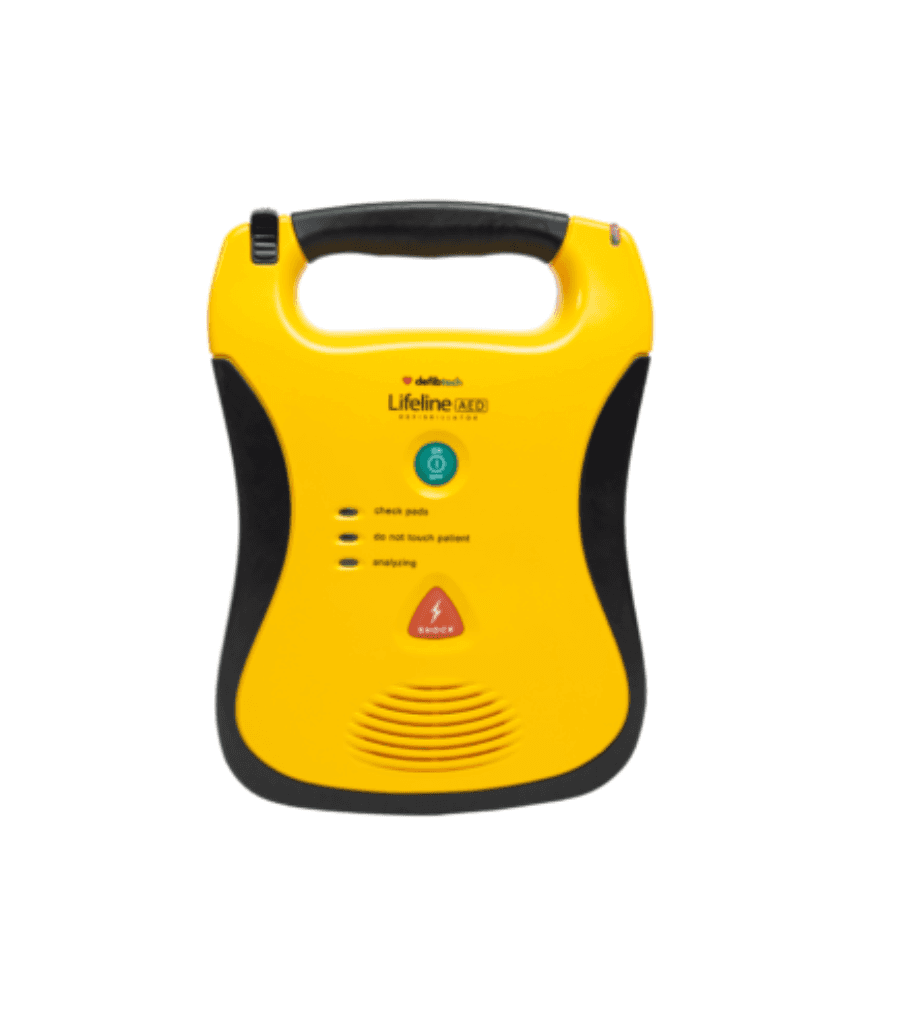
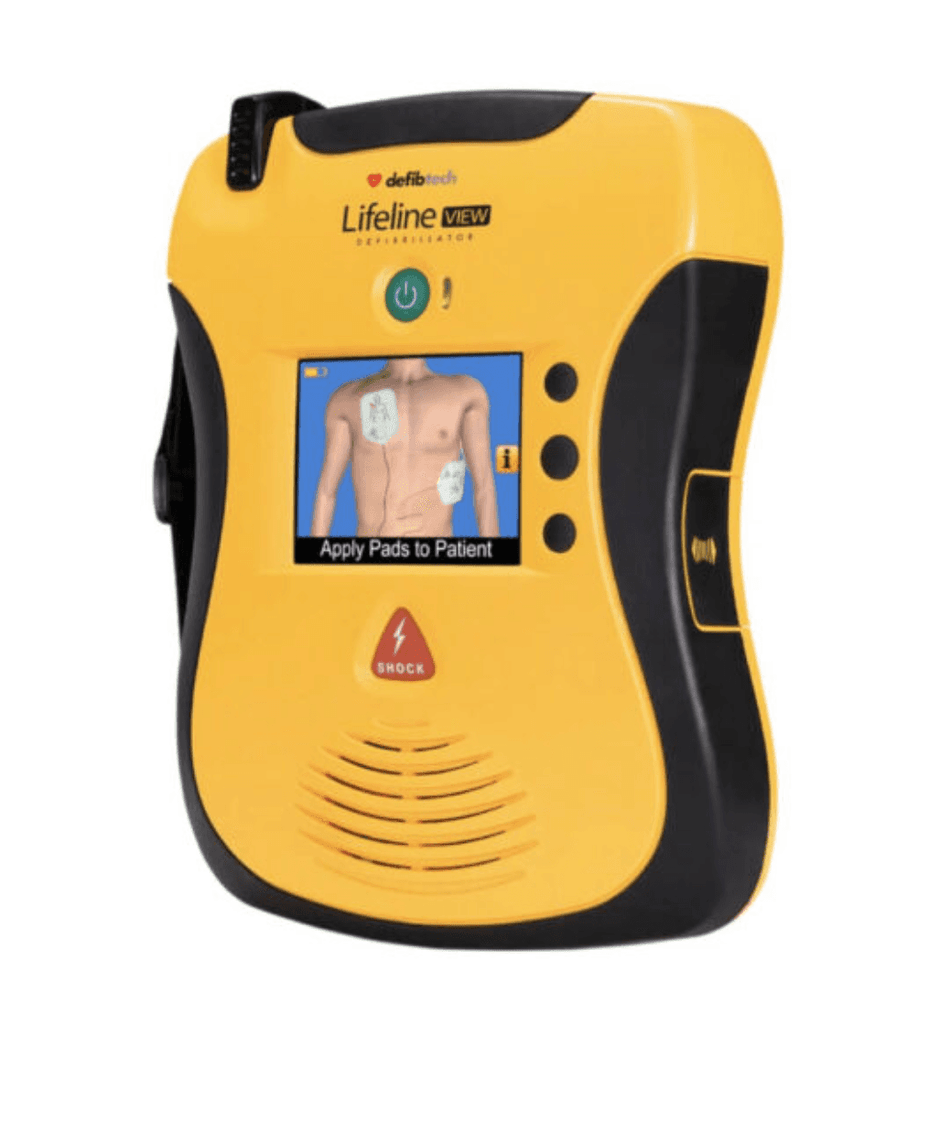
Collection: AEDs for Schools, Universities & Childcare
Schools, universities, and childcare centers are places where safety is non-negotiable. Having an AED on campus isn’t just about being prepared for sudden cardiac arrest—it’s about meeting AED policy and ensuring readiness during emergencies. A device that fails when needed can put lives and compliance at risk. Hero LifeCare offers trusted AEDs for schools and universities with simple instructions on AED use, helping staff, coaches, and even students act with confidence.
Why AEDs Matter in Education
-
AEDs can double survival rates when used within minutes of sudden cardiac arrest.
-
Many parents and boards ask, “What does AED stand for?” — Automated External Defibrillator, a portable device that restores a normal heart rhythm.
-
AEDs in schools, colleges, and universities support a culture of AED safety and preparedness.
-
Institutions can often access AED funding or AED grants to support installations.
AED Placement & Policy Guidelines for Schools
Hero LifeCare helps institutions meet AED school policy and AED university regulations:
-
Place AEDs in gyms, auditoriums, cafeterias, and athletic fields.
-
Ensure AEDs are accessible within 3 minutes from any point on campus.
-
Provide training on how to use an AED for staff and coaches.
-
Document monthly checks in your AED maintenance policy.
-
Explore AED education grants and funding programs to offset costs.
Maintenance & Readiness
-
Built-in self-tests alert you to pad or battery issues.
-
Follow a set AED maintenance schedule with expiry reminders.
-
Keep spare adult and pediatric pads on hand.
-
Train staff annually with manikins and trainer AEDs to build confidence.