

Collection: AEDs for Aviation, Airlines & Travel
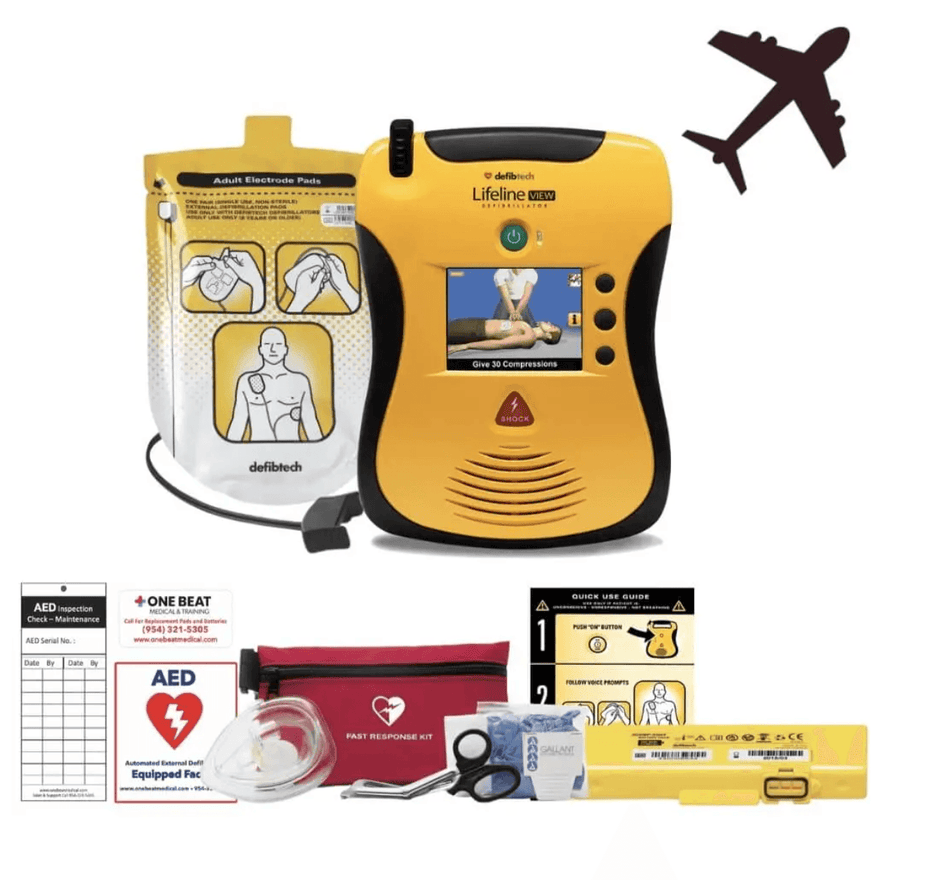
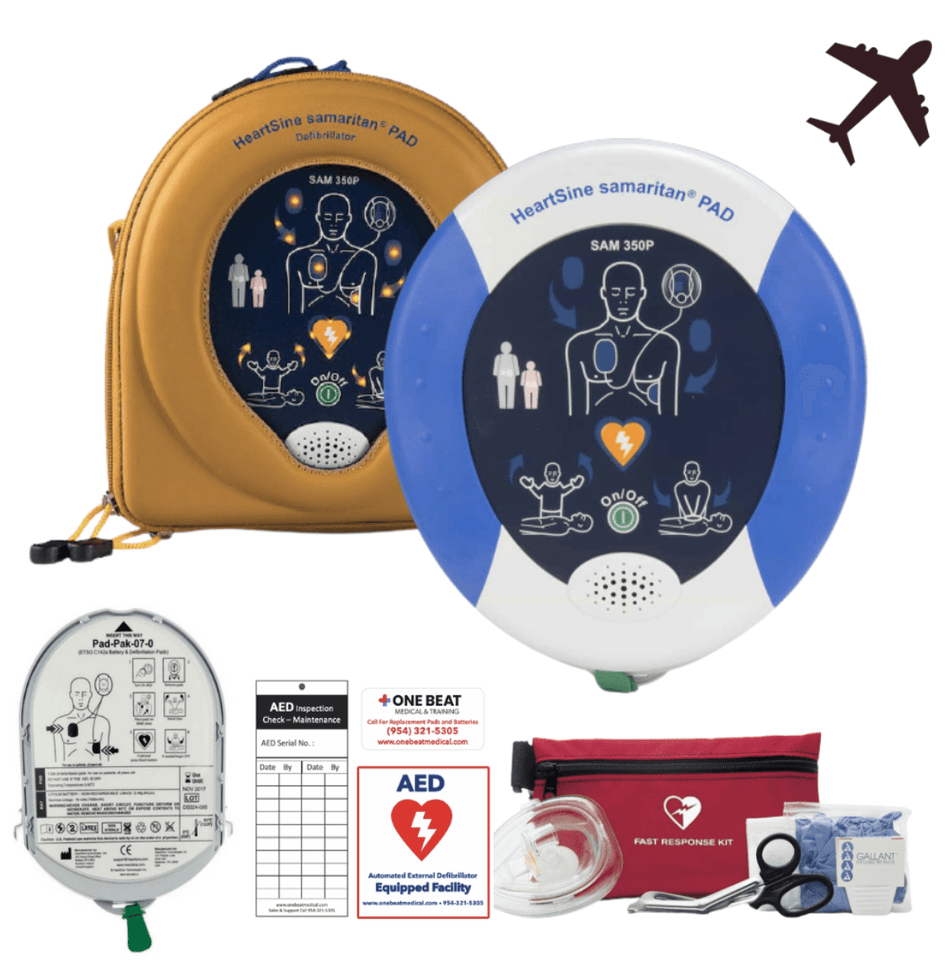
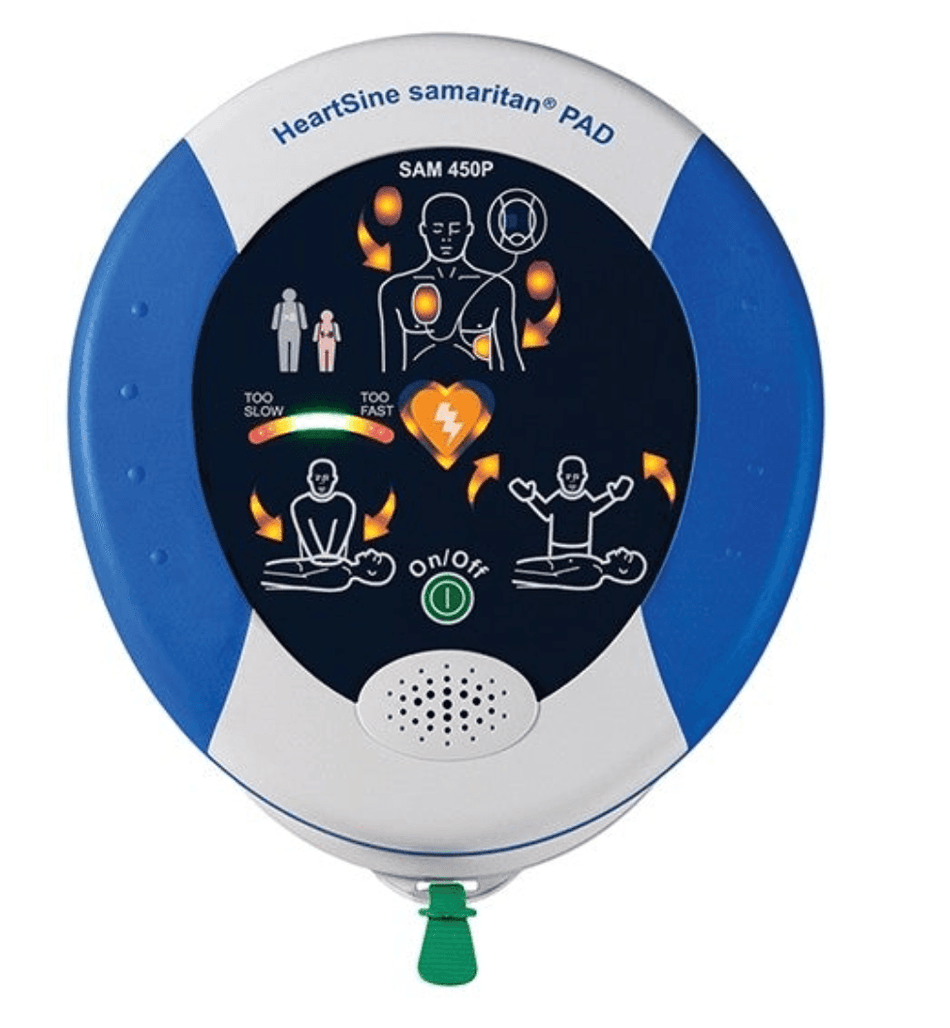
Cardiac emergencies can happen anywhere — even at 30,000 feet. That’s why regulations require airlines to carry an FAA-approved AED on board. Equipping your fleet with a compliant aviation AED isn’t just about passenger safety; it’s a legal requirement for many carriers. Hero LifeCare provides certified airline defibrillators that are compact, lightweight, and built for demanding environments. From aircraft AEDs with FAA TSO certification to portable AEDs for travel, we’ve got you covered.
Why Aviation AEDs Matter?
-
FAA and international authorities mandate aircraft AEDs on many passenger flights.
-
In-flight emergencies demand portable AEDs for travel that are simple to use, even by crew with basic training.
-
Airline defibrillators are tested to TSO standards for interference, altitude performance, and battery safety.
-
Compact, lightweight units lower the operational burden for the crew.
-
Compliance with FAA-approved AED rules protects airlines from fines and ensures safety.
Placement & Compliance Checklist
-
Install an aviation AED in easily accessible crew compartments.
-
Ensure all airline defibrillators are logged with TSO documentation.
-
Each AED should be within 3 minutes' reach for in-flight use.
-
Monthly readiness checks and inspection logs are required for aircraft AEDs.
-
Replace pads/batteries per a 4-year schedule or after use.
Maintenance & Readiness
-
Automated self-tests (daily/weekly/monthly).
-
Pad-Pak system reduces maintenance costs and simplifies schedules.
-
Optional Wi-Fi connectivity for fleet-wide monitoring.
-
Hero LifeCare offers service plans for multi-aircraft operations.