
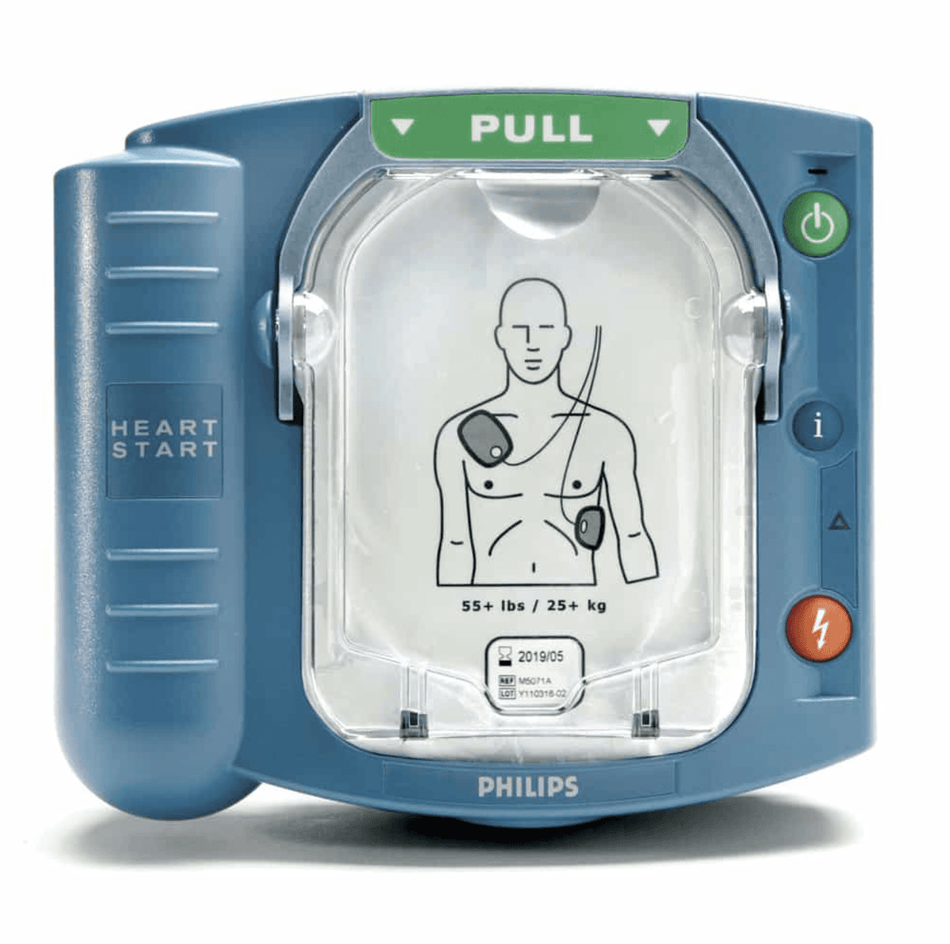

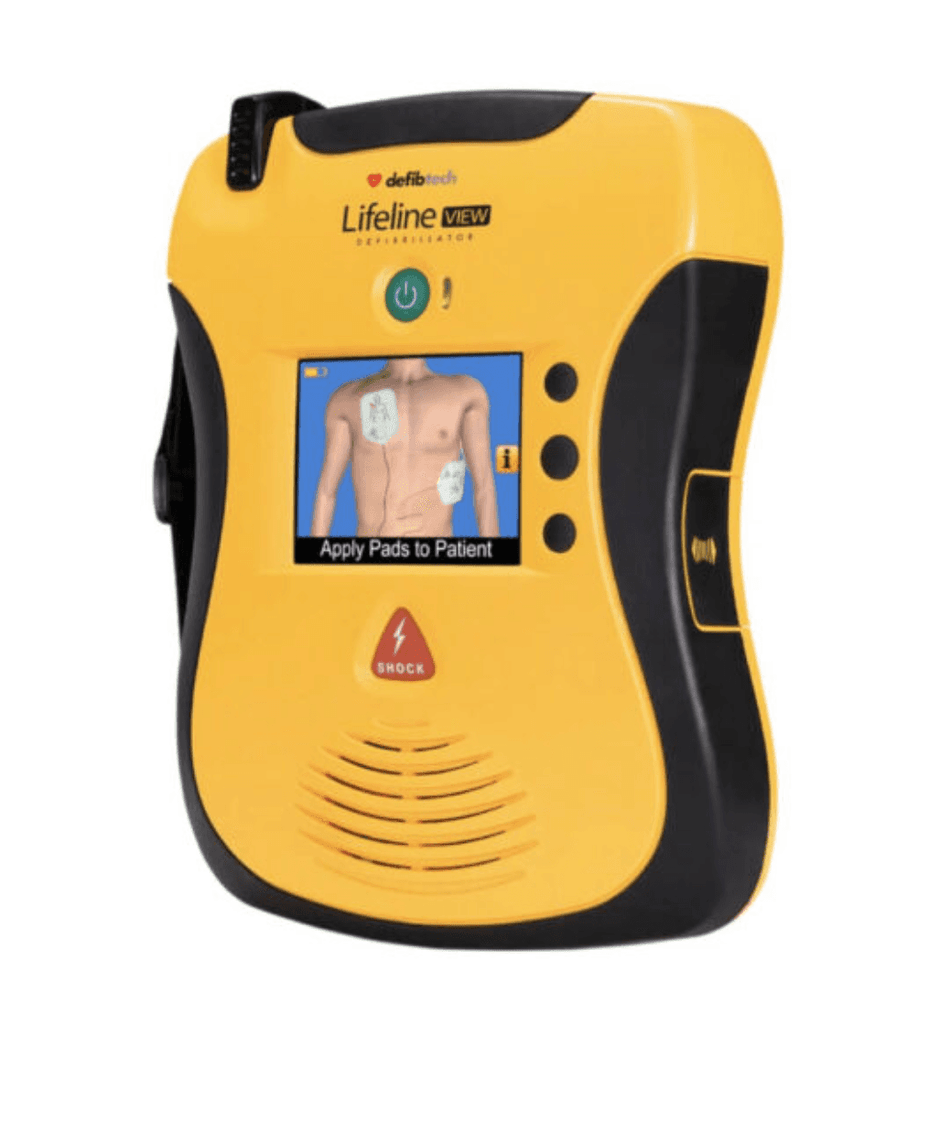
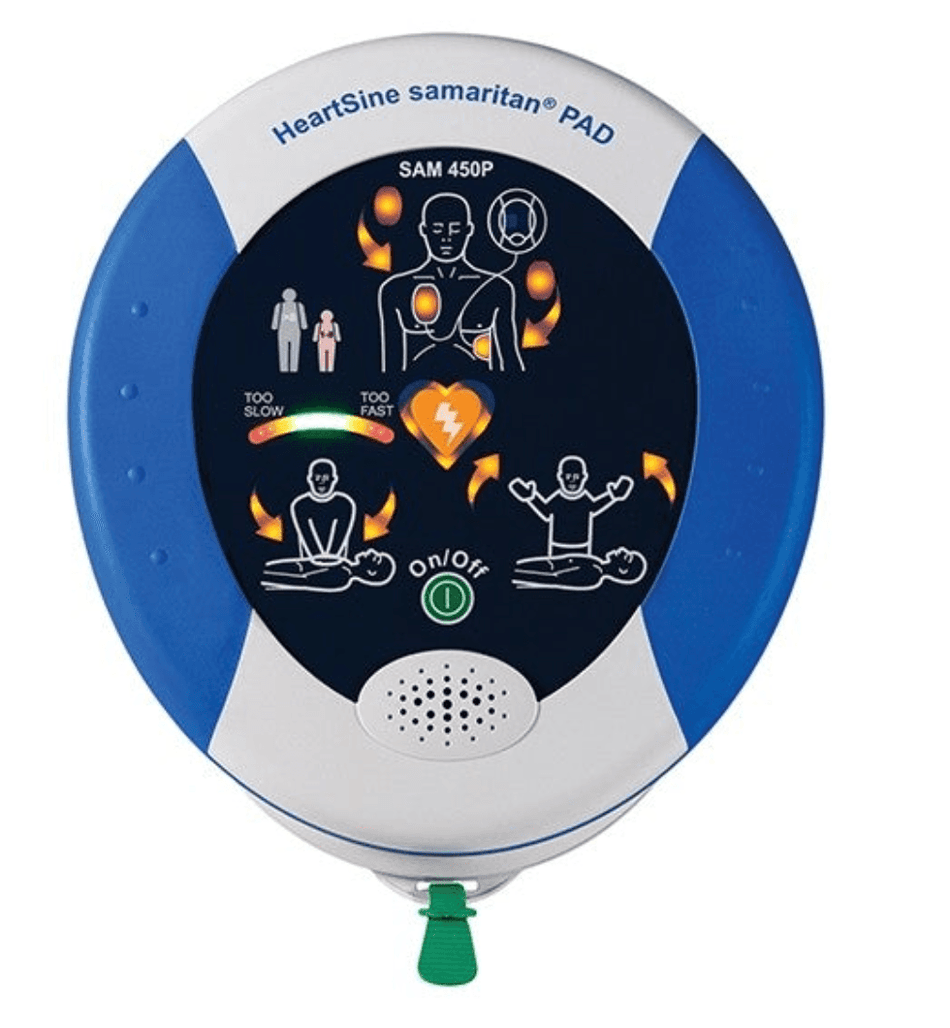
Collection: AEDs for Businesses & Offices
AEDs are essential in workplaces, from open offices to warehouses, where sudden cardiac arrest can strike without warning. Having a rescue-ready AED is not only a lifesaving measure but also a compliance necessity for many industries—failure to maintain readiness can create liability issues. Business-ready AEDs feature simple voice guidance, long battery life, and easy maintenance to keep your team protected and your workplace compliant.
Ensure staff and students are prepared for cardiac emergencies. Our education‑ready AEDs offer calm voice prompts and pediatric features, so anyone can act confidently during an emergency.
Why Your Business Needs an AED?
-
Thousands of workplace cardiac arrests occur each year—fast access to an AED can double survival rates.
-
Many regions now enforce AED location requirements in offices, warehouses, and public buildings.
-
AEDs show commitment to employee wellbeing, helping companies strengthen safety culture.
-
Partnering with a trusted safety equipment supplier ensures your devices are rescue-ready at all times.
Placement & Compliance Guidelines
Hero LifeCare helps businesses apply AED placement guidelines effectively:
-
Visibility: Position AEDs in open areas (reception, break rooms, conference areas).
-
Access time: Devices should be reachable within 3 minutes from any point.
-
Signage: Use clear wall signs and floor markings for fast identification.
-
Checks: Follow a documented AED maintenance schedule—monthly visual inspections, pad/battery replacement by expiry.
-
Legal readiness: We guide you through AED legal requirements and help keep records for inspections.
Maintenance & Readiness Support
-
All AEDs run automated self-tests daily/weekly/monthly.
-
Hero LifeCare offers reminders for pad and battery expiry.
-
On-site training with manikins and trainer AEDs ensures staff confidence.
-
Businesses can choose flexible purchase or AED rental service options with managed compliance support.